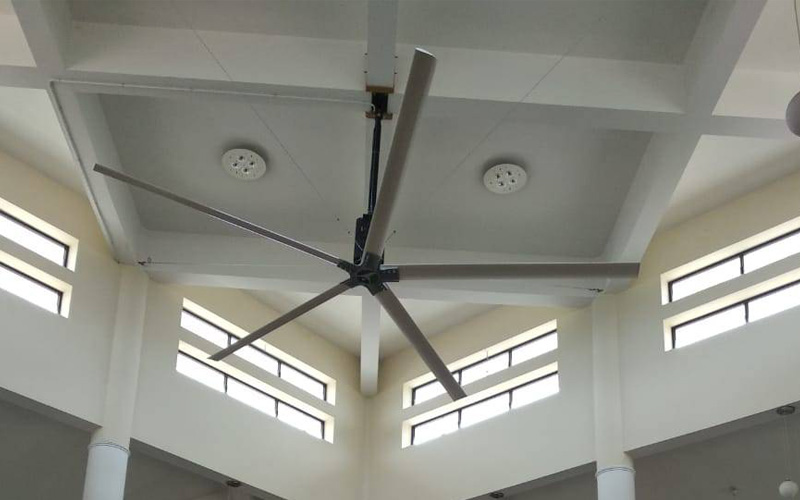
Railway stations are among the busiest public spaces, welcoming thousands of commuters every day. Whether passengers are waiting for a train, standing on crowded platforms, or moving through ticketing areas, maintaining a comfortable environment is essential. One practical solution that has gained attention in recent years is the Railway Station Fan, designed to deliver powerful airflow across large, open spaces where traditional cooling systems are often ineffective.
Unlike enclosed buildings, railway stations feature high ceilings, wide platforms, and continuous movement of people. These characteristics make temperature management more challenging, especially during warmer months. A well-designed ventilation system supported by an efficient Railway Station Fan helps improve air circulation, creating a more pleasant experience for travelers and staff alike.
Why Air Circulation Matters in Railway Stations
Public transport facilities operate for long hours and experience constant passenger traffic. Heat generated by crowds, outdoor weather conditions, and station infrastructure can create uncomfortable environments if airflow is inadequate.
Installing a Railway Station Fan helps maintain continuous air movement, reducing the feeling of stagnant air while enhancing overall comfort. Proper ventilation also supports better working conditions for railway employees, security personnel, and maintenance teams who spend extended periods within station premises.
In addition to improving comfort, effective airflow contributes to a cleaner environment by helping disperse humidity and minimizing the buildup of warm air beneath high roofs.
Challenges of Cooling Large Transit Spaces
Cooling railway stations is very different from cooling offices or shopping malls. The architecture of transport hubs presents several unique challenges:
High Ceilings
Most stations have tall roofs that trap rising heat. Without proper air circulation, warm air accumulates overhead while passengers continue to experience discomfort below.
Open Platform Design
Since platforms remain partially open to accommodate train movement, conventional air-conditioning systems cannot efficiently cool the entire space. A Railway Station Fan provides a practical alternative by generating consistent airflow instead of attempting to lower the overall temperature.
Heavy Passenger Traffic
Passenger density fluctuates throughout the day, especially during rush hours. Increased human activity raises the ambient temperature, making continuous ventilation increasingly important.
Large Waiting Areas
Waiting lounges, ticket counters, food courts, and pedestrian bridges all benefit from improved air movement, allowing visitors to remain comfortable during extended waiting times.
Features That Make Modern Fans Suitable for Railway Stations
Today's large-scale ventilation systems are engineered to meet the demands of public infrastructure. A high-quality Railway Station Fan typically offers several performance advantages.
Wide Air Coverage
Large-diameter blades distribute air across expansive areas, reducing the number of units required to cover an entire station.
Energy-Efficient Operation
Modern motor technology delivers strong airflow while consuming less electricity, helping authorities manage operating expenses over the long term.
Quiet Performance
Passenger announcements, safety instructions, and communication systems remain clearly audible because advanced fans operate with minimal noise.
Durable Construction
Railway environments require equipment capable of withstanding dust, continuous operation, and varying weather conditions. Industrial-grade materials provide long service life with minimal maintenance.
Benefits of Installing a Railway Station Fan
Choosing an efficient Railway Station Fan offers multiple operational and passenger-related advantages.
Enhanced Passenger Experience
Comfortable waiting areas encourage a better travel experience, particularly during summer seasons and periods of heavy crowding.
Improved Ventilation
Continuous airflow helps eliminate stagnant air while promoting fresher circulation throughout platforms and station halls.
Reduced Energy Costs
Compared with cooling entire stations using air-conditioning, large fans consume significantly less energy while still improving perceived comfort.
Better Workplace Conditions
Station employees, maintenance staff, ticketing personnel, and vendors benefit from improved airflow during long working hours.
Sustainable Infrastructure
Energy-efficient ventilation solutions support environmentally responsible public infrastructure projects by reducing overall electricity consumption.
Applications Beyond Passenger Platforms
Although commonly associated with railway platforms, a Railway Station Fan and HVLS Ceiling Fan can be installed in a variety of transit-related areas to provide efficient air circulation across large spaces, including:
- Passenger waiting halls
- Ticket booking counters
- Entrance and exit corridors
- Pedestrian bridges
- Metro stations
- Bus terminals
- Transport depots
- Maintenance workshops
- Cargo handling zones
The combination of a Railway Station Fan and an HVLS Ceiling Fan offers reliable, energy-efficient airflow, making these solutions ideal for transportation facilities where maintaining passenger comfort and consistent ventilation is essential
Factors to Consider Before Installation
Selecting the right ventilation solution requires careful planning. Decision-makers should evaluate several important factors before installation.
Station Layout
The size of platforms, roof height, and overall station design determine the number and placement of fans.
Airflow Requirements
Passenger volume and climate conditions influence the required airflow capacity for each installation area.
Maintenance Accessibility
Equipment should be easy to inspect and maintain without disrupting daily station operations.
Safety Standards
Fans installed in public spaces must comply with structural, electrical, and operational safety requirements to ensure reliable long-term performance.
The Future of Smart Railway Ventilation
As transportation infrastructure becomes more advanced, ventilation technology is evolving alongside it. Intelligent control systems now allow fans to adjust speed automatically based on occupancy levels, environmental conditions, or scheduled operating hours.
Integration with building management systems enables better energy optimization while maintaining passenger comfort throughout the day. These innovations help railway authorities balance operational efficiency with sustainability goals.
Future railway stations are expected to adopt smarter ventilation strategies where every Railway Station Fan contributes to improved energy management without compromising airflow quality.
Frequently Asked Questions (FAQs)
1. What is a Railway Station Fan?
A Railway Station Fan is a high-capacity ventilation solution designed to circulate air efficiently across large railway platforms, waiting areas, and transit facilities.
2. Why are large fans preferred over air conditioners in railway stations?
Open platforms and expansive spaces make full air-conditioning inefficient, while large fans provide consistent airflow with significantly lower energy consumption.
3. Can Railway Station Fans operate continuously?
Yes. Industrial-grade models are built for extended daily operation and are designed to deliver reliable performance in demanding public environments.
4. Where can Railway Station Fans be installed?
They are suitable for railway platforms, waiting halls, metro stations, transport terminals, pedestrian bridges, cargo areas, and maintenance facilities.
5. Do Railway Station Fans require frequent maintenance?
Most modern systems are designed for low maintenance and only require periodic inspection and routine cleaning.
Call to Action
Looking for efficient ventilation solutions for large transportation facilities? MG Fans offer advanced airflow systems designed to improve comfort, enhance energy efficiency, and support reliable performance in demanding commercial and industrial environments. Contact the team today to explore the right solution for your project.